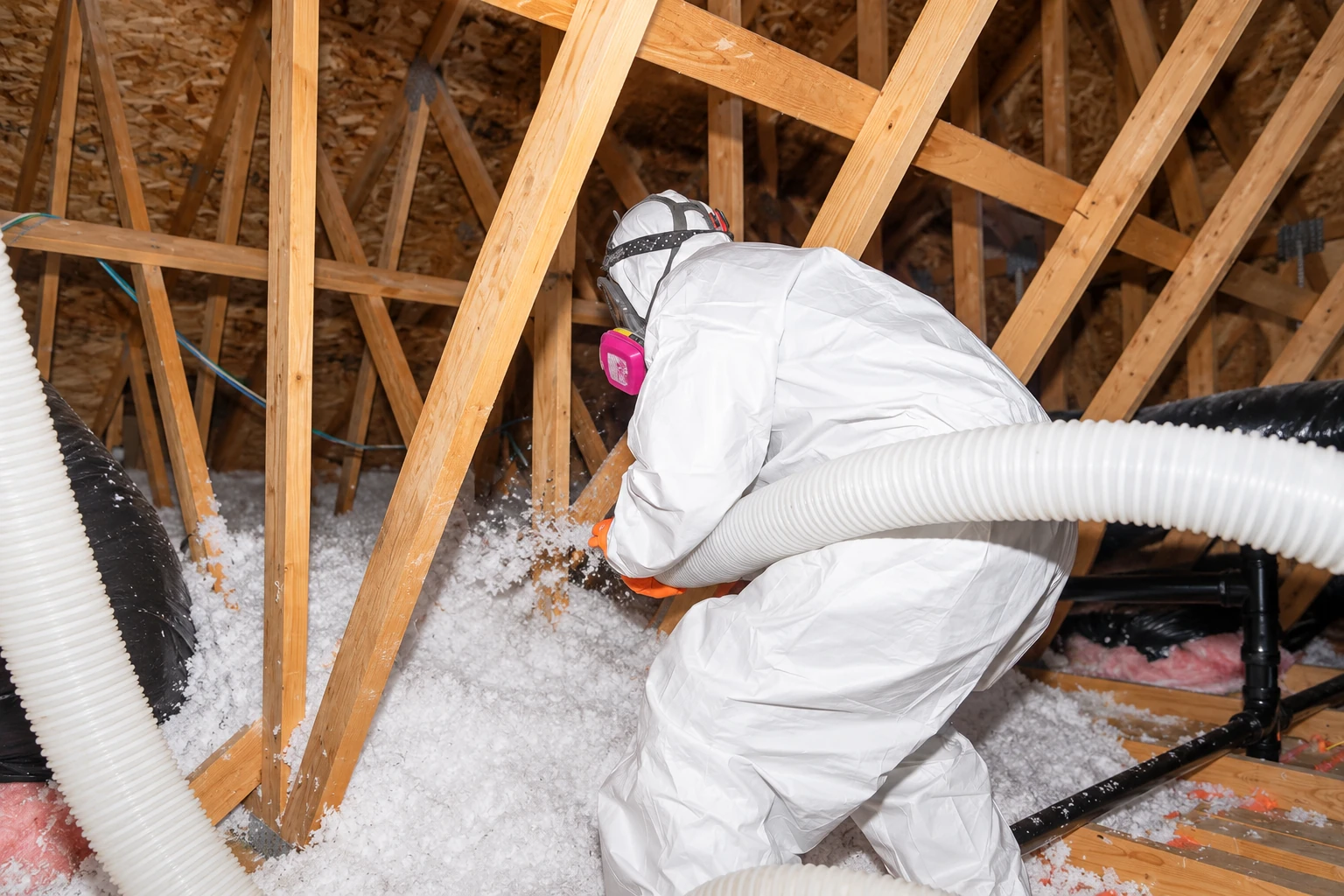
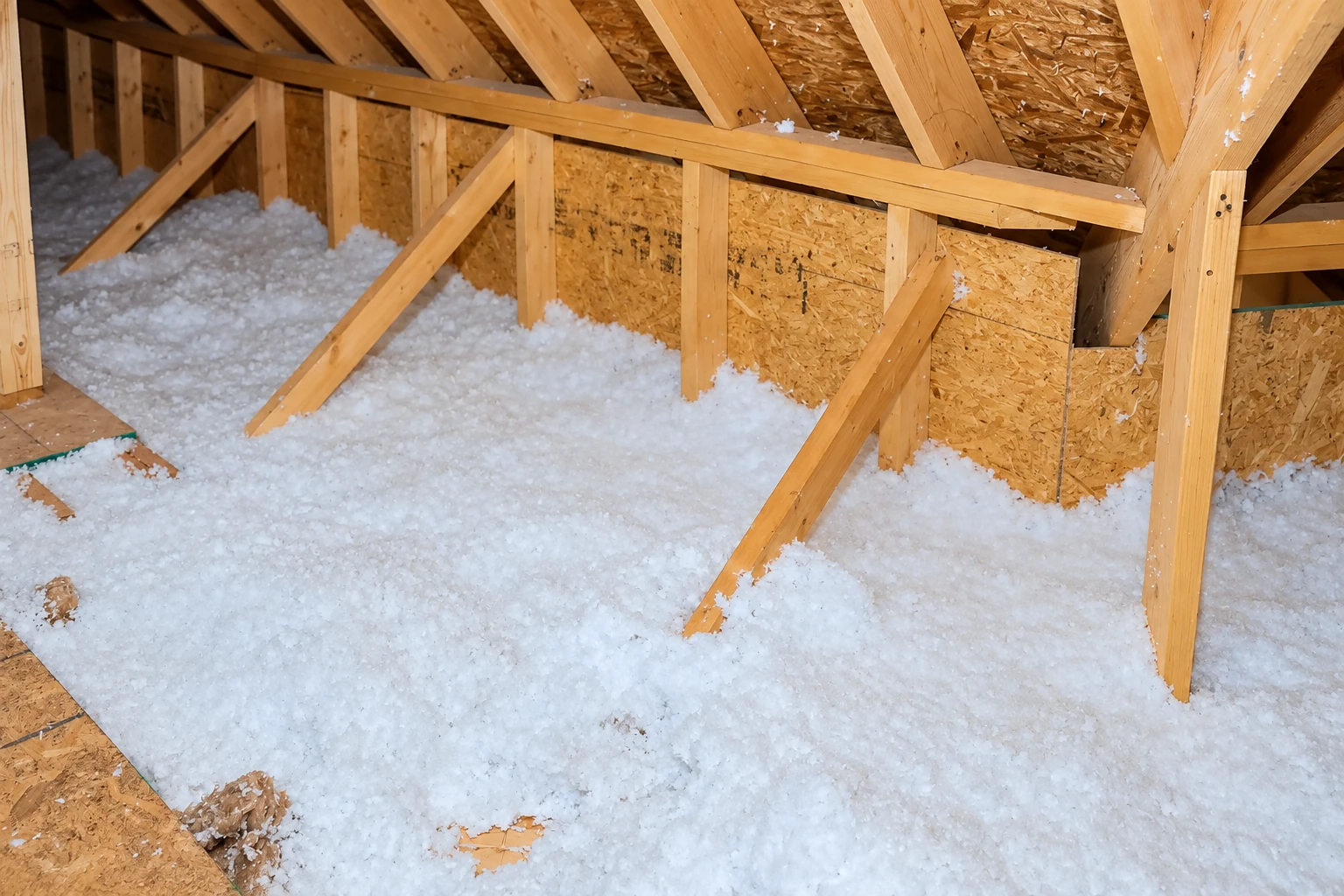
On an older home I start with what's already up there, the wiring, the old insulation and the paint, because that decides what we can do and in what order, the same way you'd check what's holding a fence up before nailing on new boards. If the old fill is soaked or full of droppings, it comes out first, since new material laid over it just hides the problem. Then our crew closes the gaps in the attic floor around pipes, wires, lights and the hatch, keeps the eave vents clear so the attic can still breathe, and blows the new fill in evenly all the way out to the edges, which is where it usually ends up too thin. Before we leave, we set depth rulers in the attic so you can see how deep it is and watch for settling down the road.
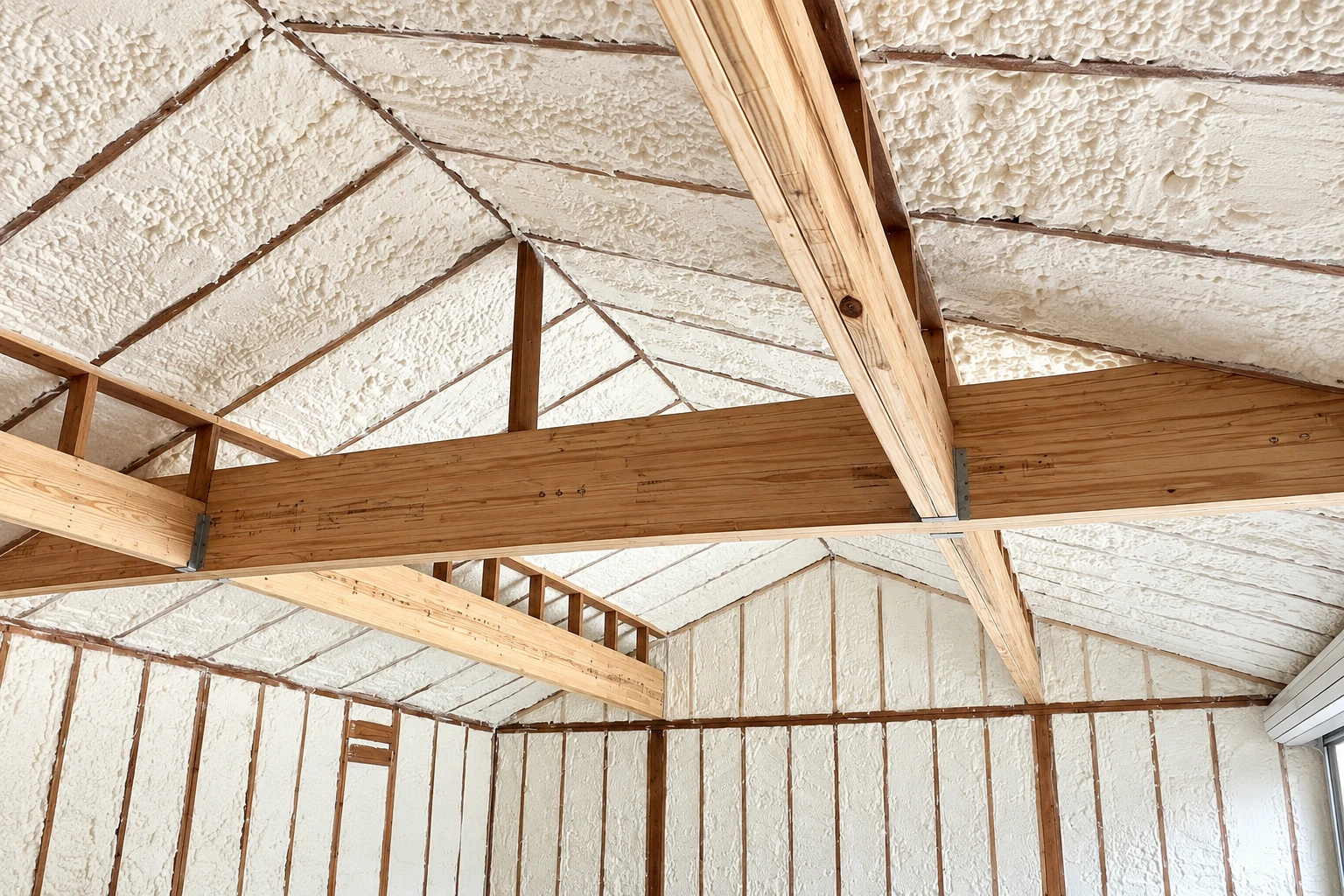
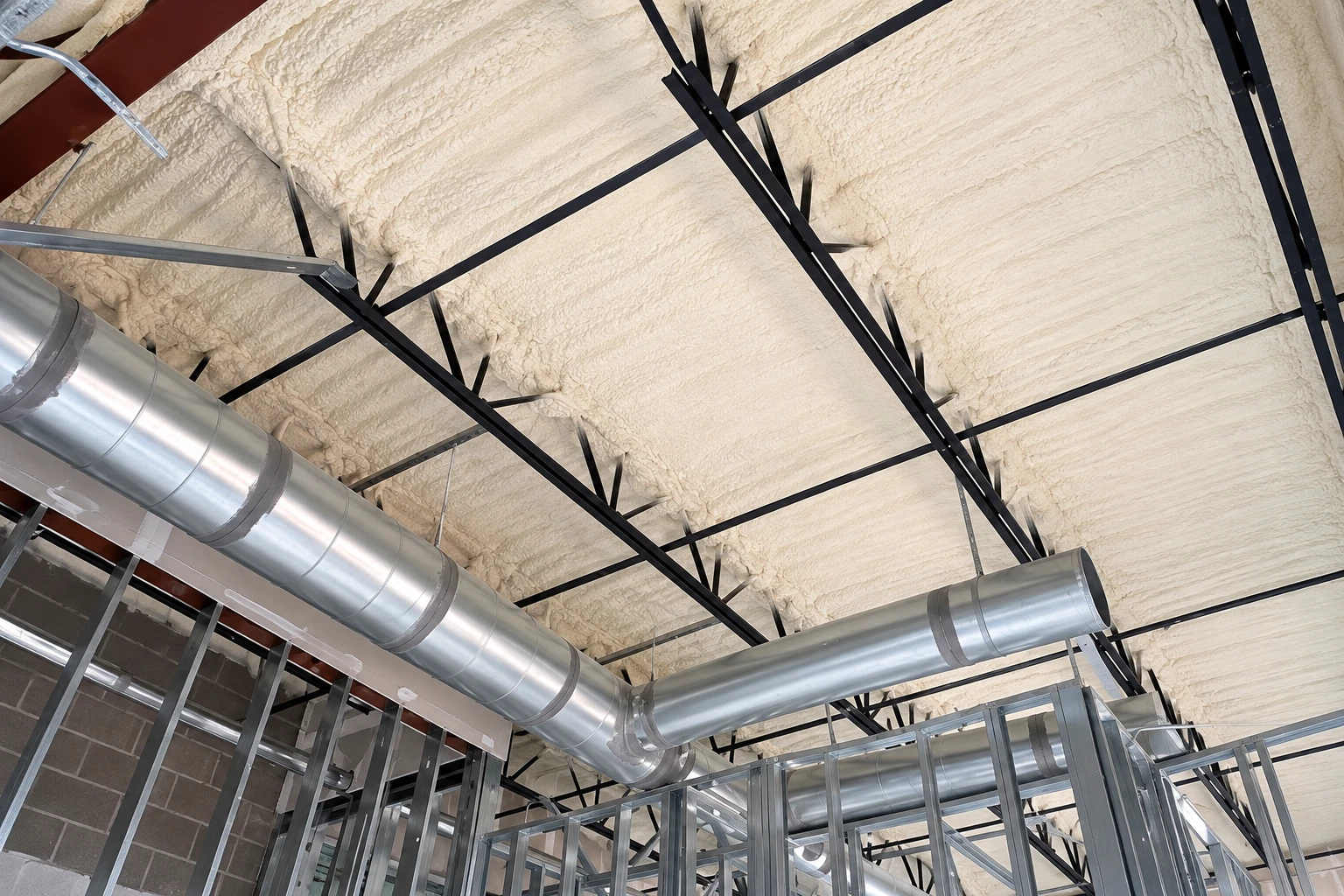
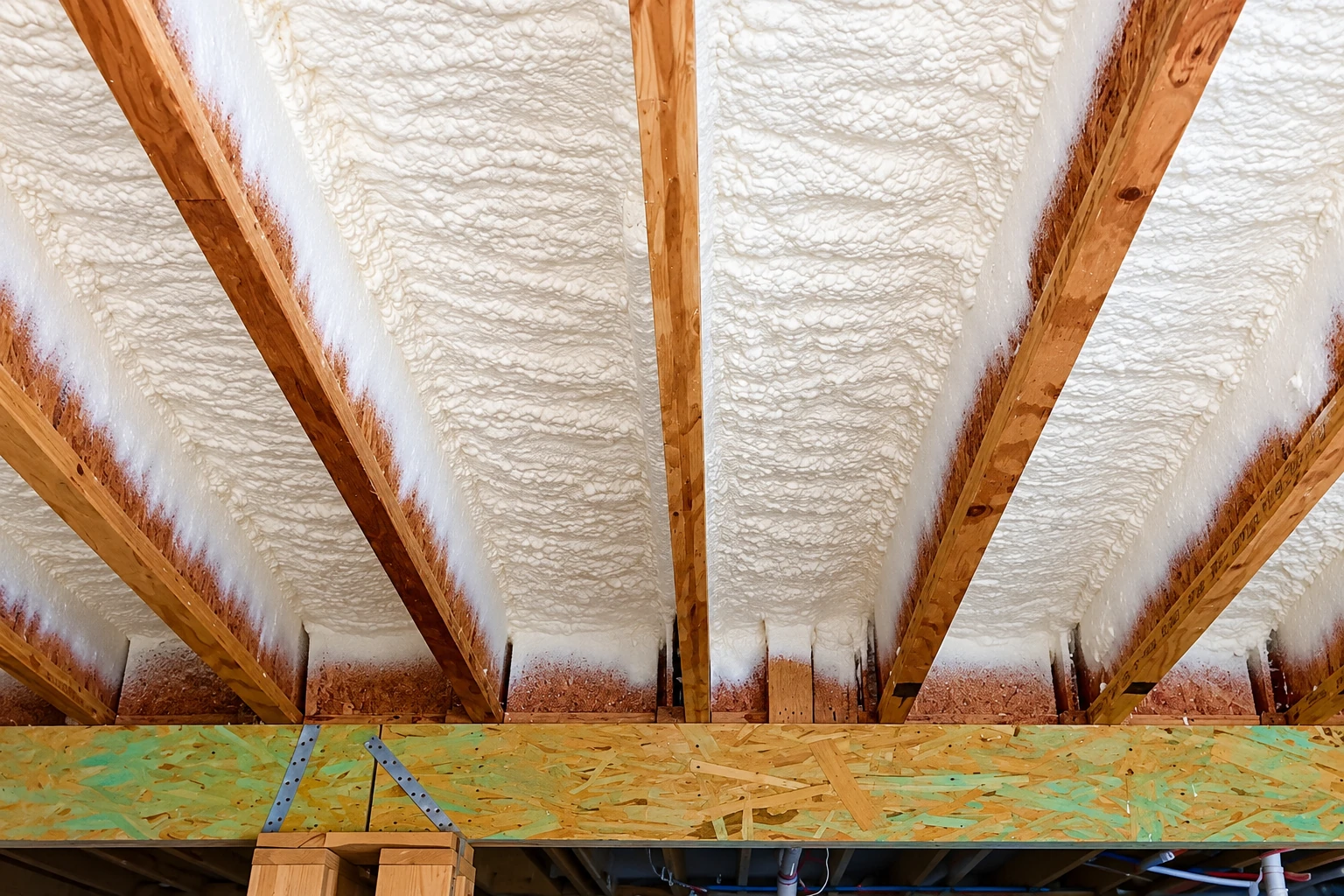
Some houses call for more than loose fill. Spray foam insulation costs more and seals air while it insulates, and I only lean that way when your ductwork runs through the attic, because otherwise sealing the gaps and topping up the fill usually does the job for less. If the whole attic needs starting over, our page on attic insulation covers that work in full.
Seal and top up what's there
This suits an attic where the old insulation is dry, clean and just too thin, which is a common case in older houses. We seal the gaps, leave the old layer in place and blow new fill over it, so the job stays smaller and so does the bill.
Clear it out and start fresh
This is for an attic where the old material is soaked, packed with droppings or crushed flat, because covering it keeps the smell and the moisture in your house. We handle the insulation removal, seal the attic floor and then blow in new fill.