I start by looking at the attic, the floors and the crawl space together, because a house leaks like a bucket with a few holes, and plugging one won't help much while the others are open. Then I walk you through where your house is losing the most and what order makes sense. If we find damp insulation or a vent blowing moist air into the attic, that gets fixed first, since new material laid over a wet spot only hides it. After that our crew does the air sealing, closing the gaps around pipes, wires and the attic hatch so air can't slip past, keeps the eave vents clear so the attic still breathes, and lays the insulation full depth all the way out to the edges, where it's usually thinnest.
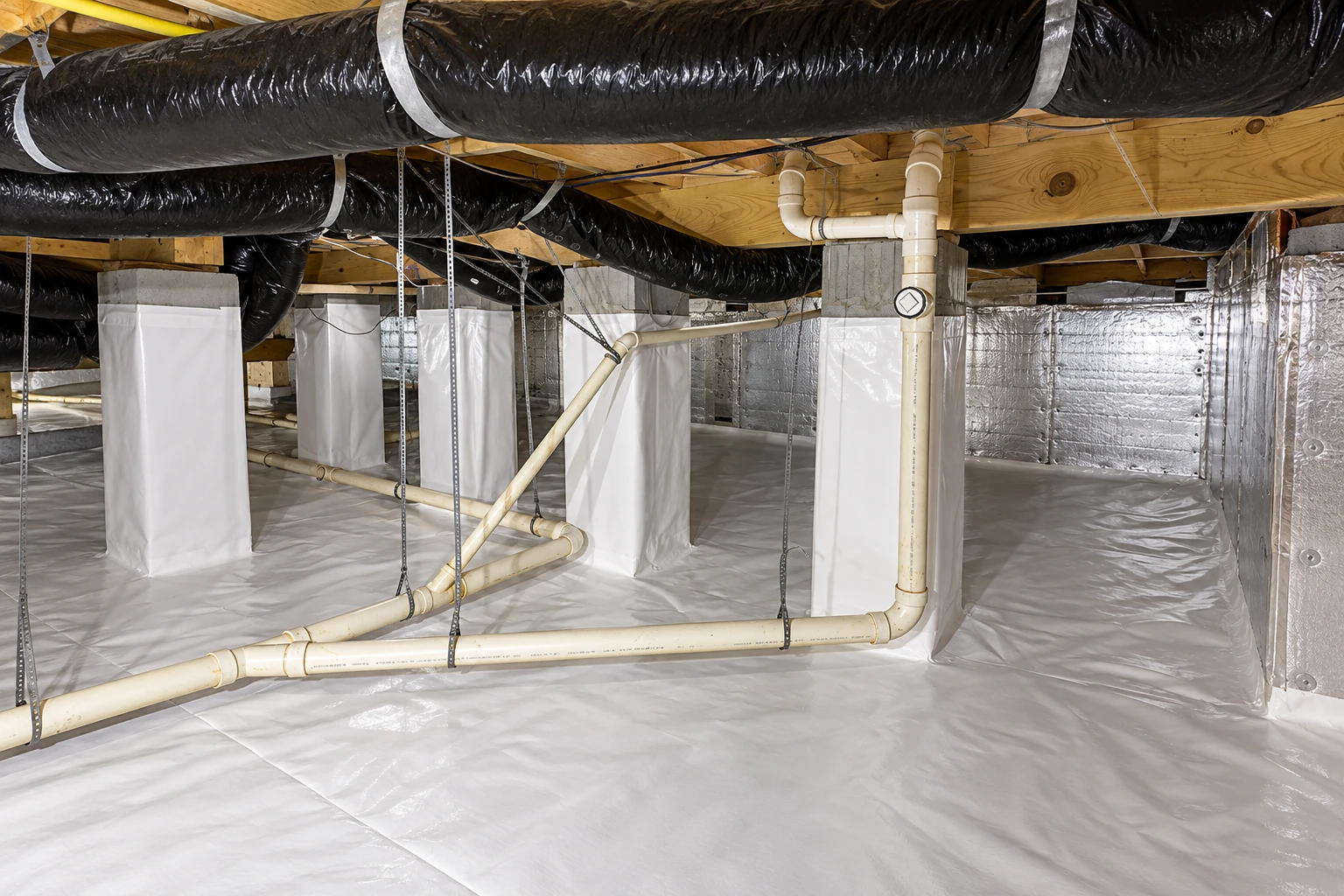
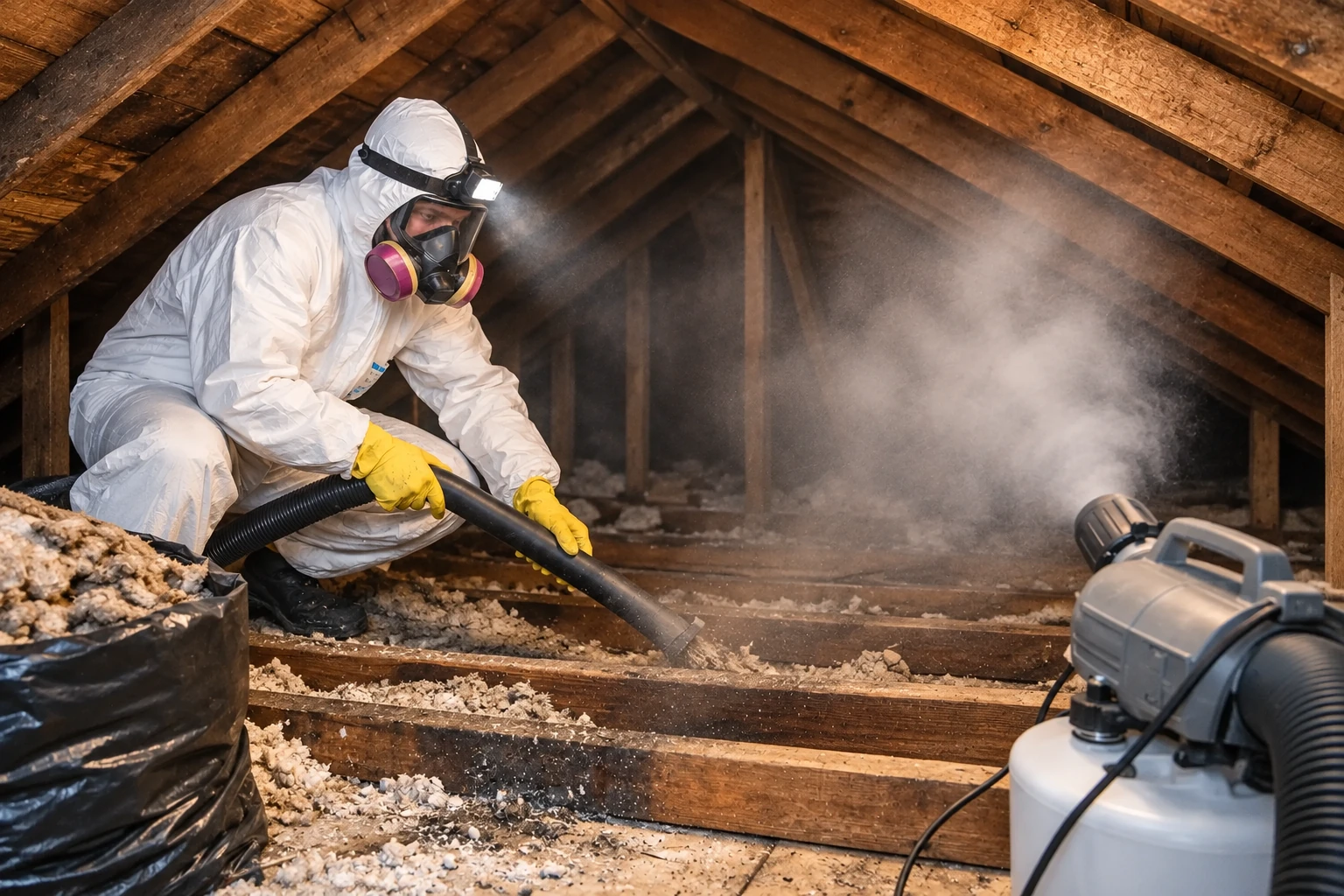
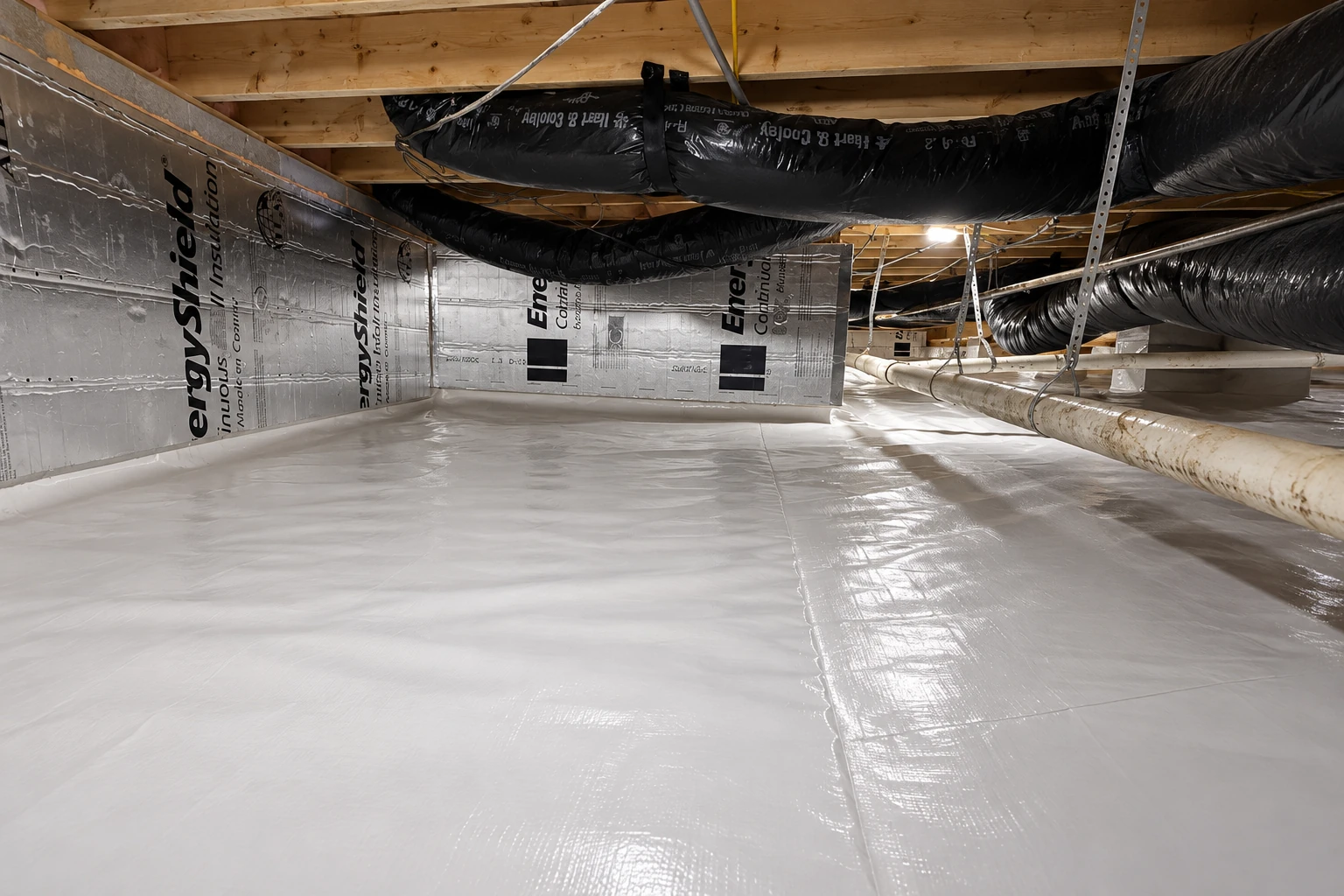
Old insulation that's soaked or full of droppings comes out before anything new goes in, and that's what our insulation removal work is for, because topping up a bad layer keeps the problem in your house. If your complaint is cold floors, the answer is usually underneath, with crawl space insulation fitted between the floor joists.
Sealing and blown-in for most attics
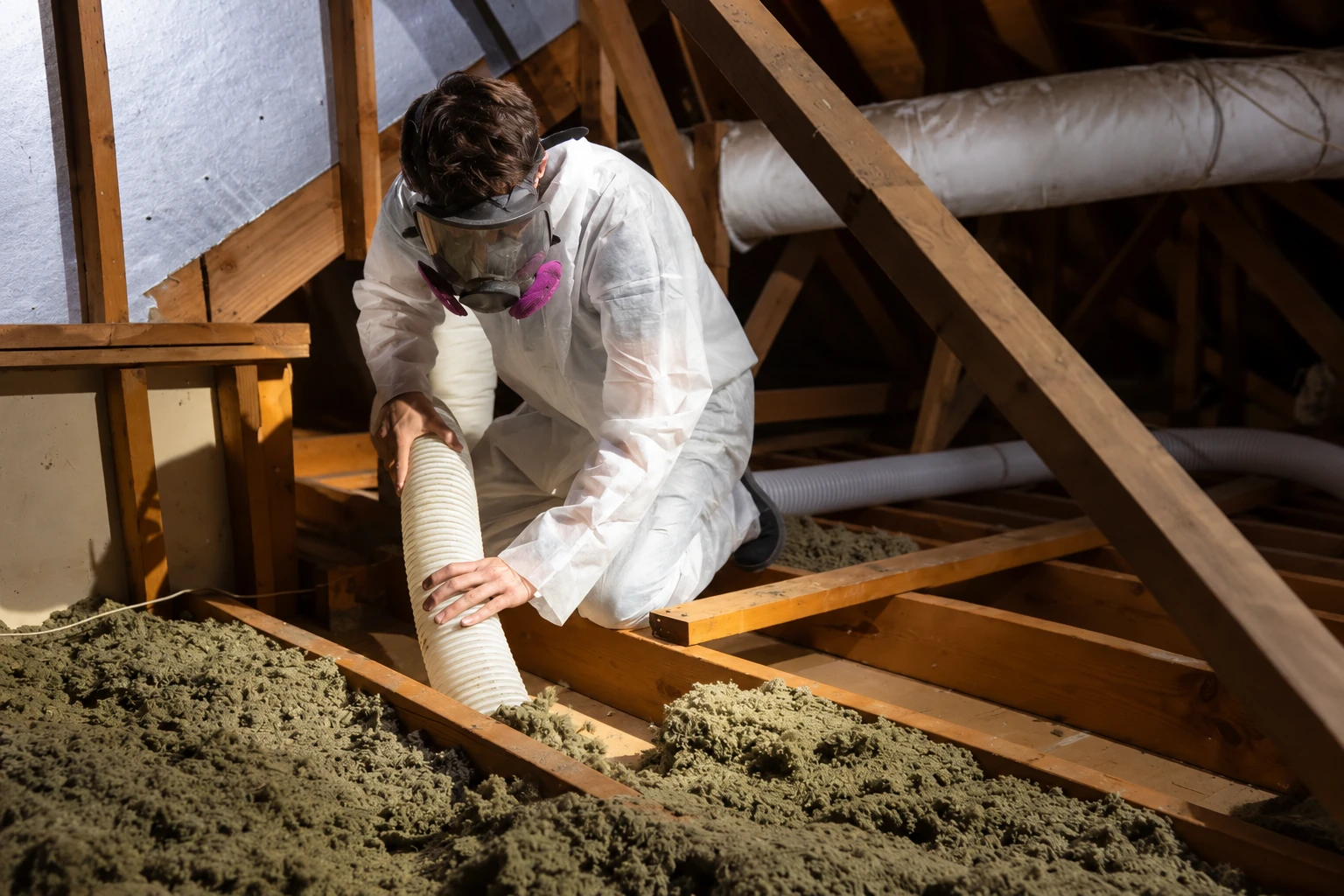
This suits most houses we see, where the old layer is dry but thin or packed down. We seal the gaps first, then add blown-in insulation, loose fill blown through a hose, which settles in around the framing and usually costs less than foam.
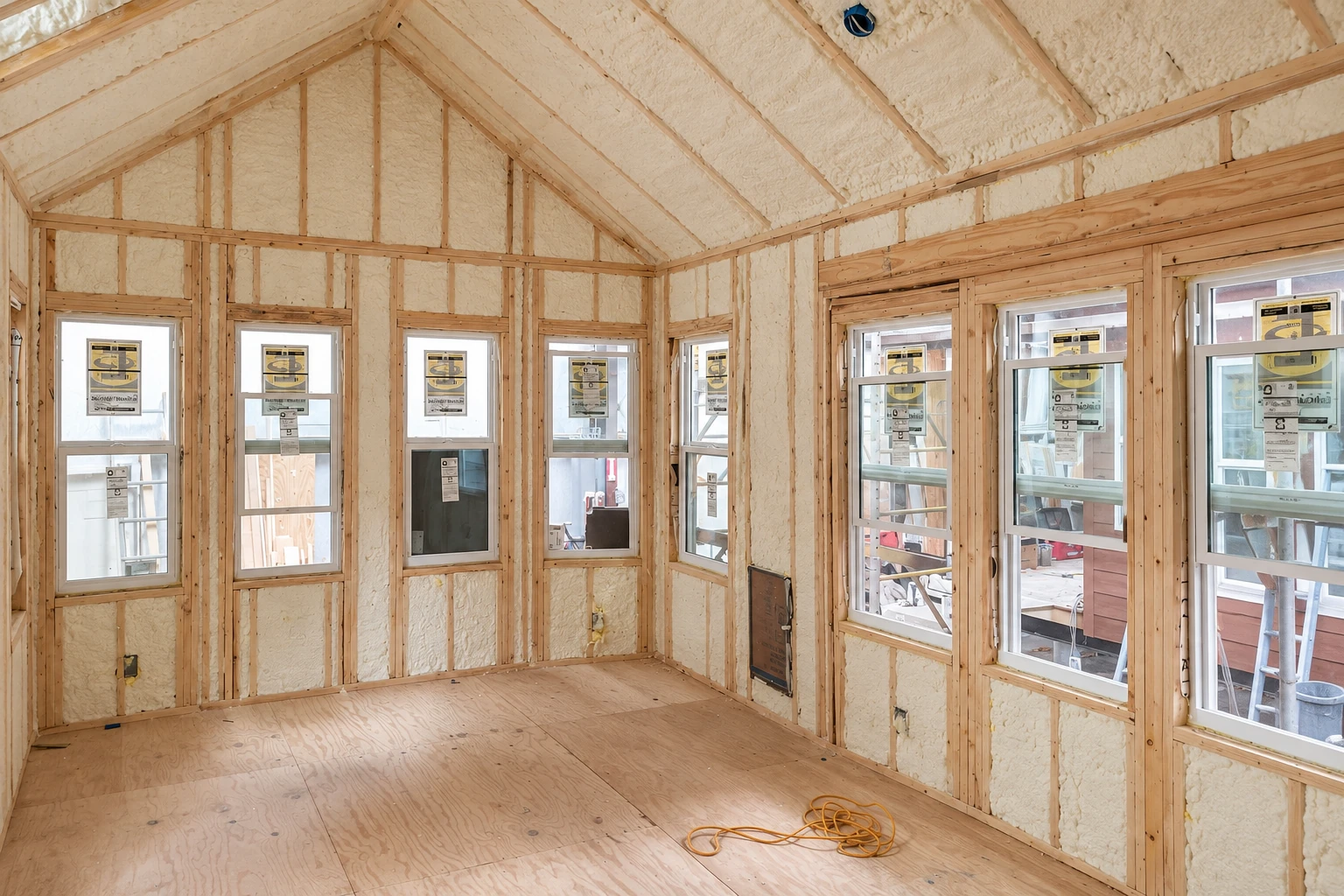
Spray foam when your ducts run through the attic
Foam costs more, but it seals air while it insulates, so it earns its price when your ductwork lives in the attic and you want that space kept closer to indoor temperature. If the ducts aren't up there, I'll usually point you to sealing and loose fill instead.