Redondo Beach Insulation CompanyRedondo Beach Insulation CompanyRequest an estimate(424) 254-3847

Blown-in insulation in Redondo Beach CA - even coverage out to the edges

A hot upstairs or drafty rooms often mean a thin attic. We blow in an even layer that reaches every edge.

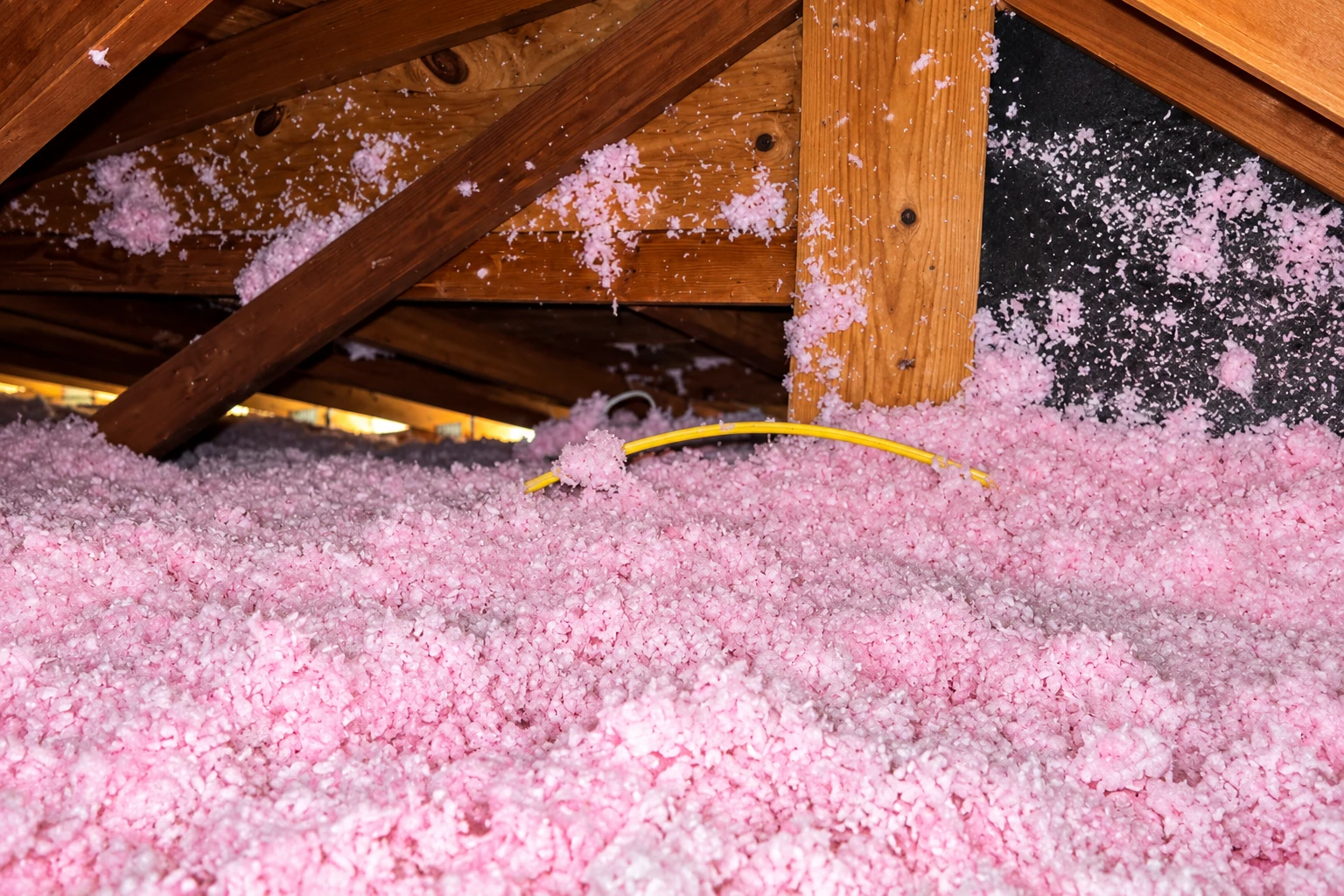
Pink blown-in insulation covers an attic floor around exposed rafters and a yellow cable.

Does my Redondo Beach attic need blown-in insulation?

Blown-in insulation is loose fill blown through a hose across your attic floor. It settles around joists and wiring and slows the heat moving through your ceiling, which is why it's the usual fix for a hot upstairs in Redondo Beach. At Redondo Beach Insulation Company, I start every job by showing you what's already up there.

Most people call us about a room over the garage that's hot by afternoon, an upstairs that never cools down, or an attic nobody has looked at in years. The price depends on the size of the attic, how many inches are already up there, whether that old layer is clean enough to keep, and how many gaps need attic air sealing before anything gets blown in. The schedule depends on the same things, plus any old material that has to come out first. When I come out, you get photos of what I found and a written plan that shows what comes first and why, so your figure comes from your own attic and not a guess.

How we put in blown-in insulation

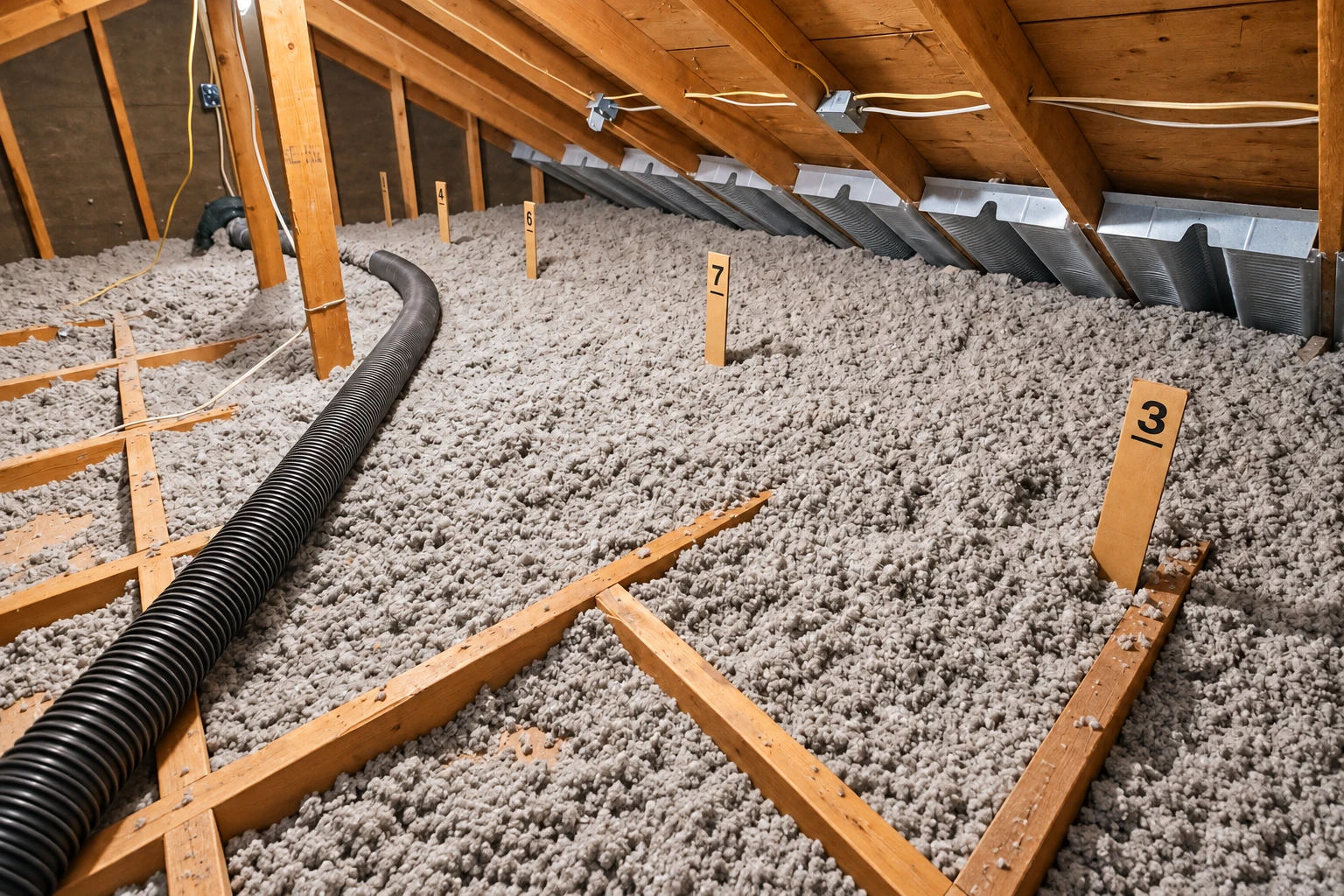
I start in the attic with a flashlight and check how deep the old layer is and whether any of it is soaked, matted or full of droppings, because new fill on top of a bad layer just buries the problem. Once the gaps are sealed, our crew puts up baffles at the eaves. Those are short chutes that hold the insulation back so it doesn't spill into the eaves or block the air the attic needs to breathe. If any can lights up there aren't rated for contact with insulation, we cover them first so nothing piles against the fixture. Then we blow it in at an even depth all the way out to the edges, since thin coverage usually hides at the edges over your outside walls. Before we pack up, I check the depth across the attic myself.

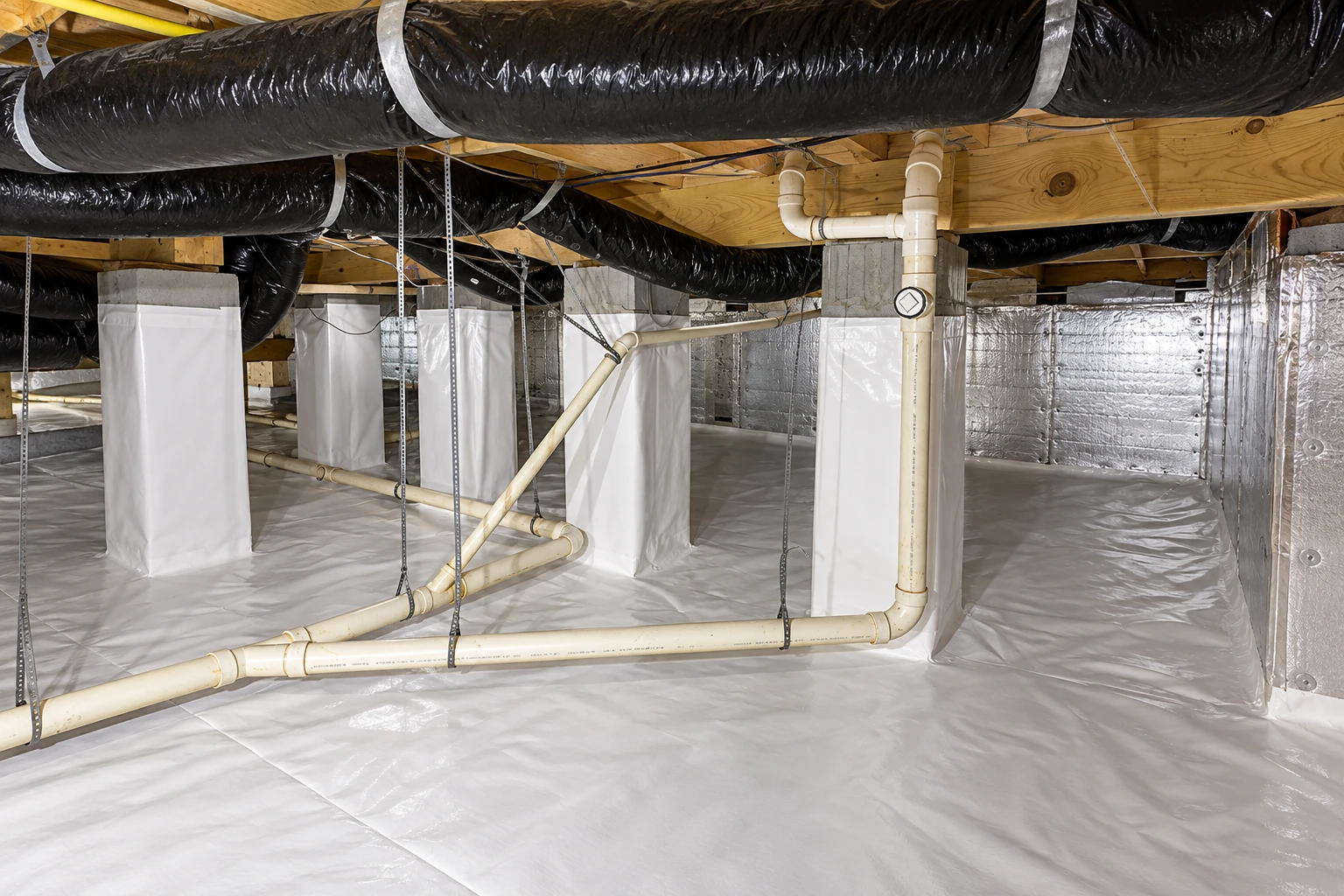
Sometimes the attic is only part of the job. When the old layer can't stay, insulation removal comes first so the fresh fill starts on a clean floor. If the cold floors or drafty rooms are somewhere else in the house, our home insulation work covers walls and crawl spaces too. If your ductwork runs through the attic, I'll talk with you about spray foam, which costs more but seals air while it insulates. Otherwise, sealing the gaps and topping up with loose fill usually wins.

Topping up a clean, thin layer

This suits an attic where the old insulation is dry and clean but has packed down over the years. We seal the gaps, add baffles and blow fresh fill right over it, so the job stays smaller and you don't pay to haul out material that still works.

Clearing the attic and starting over

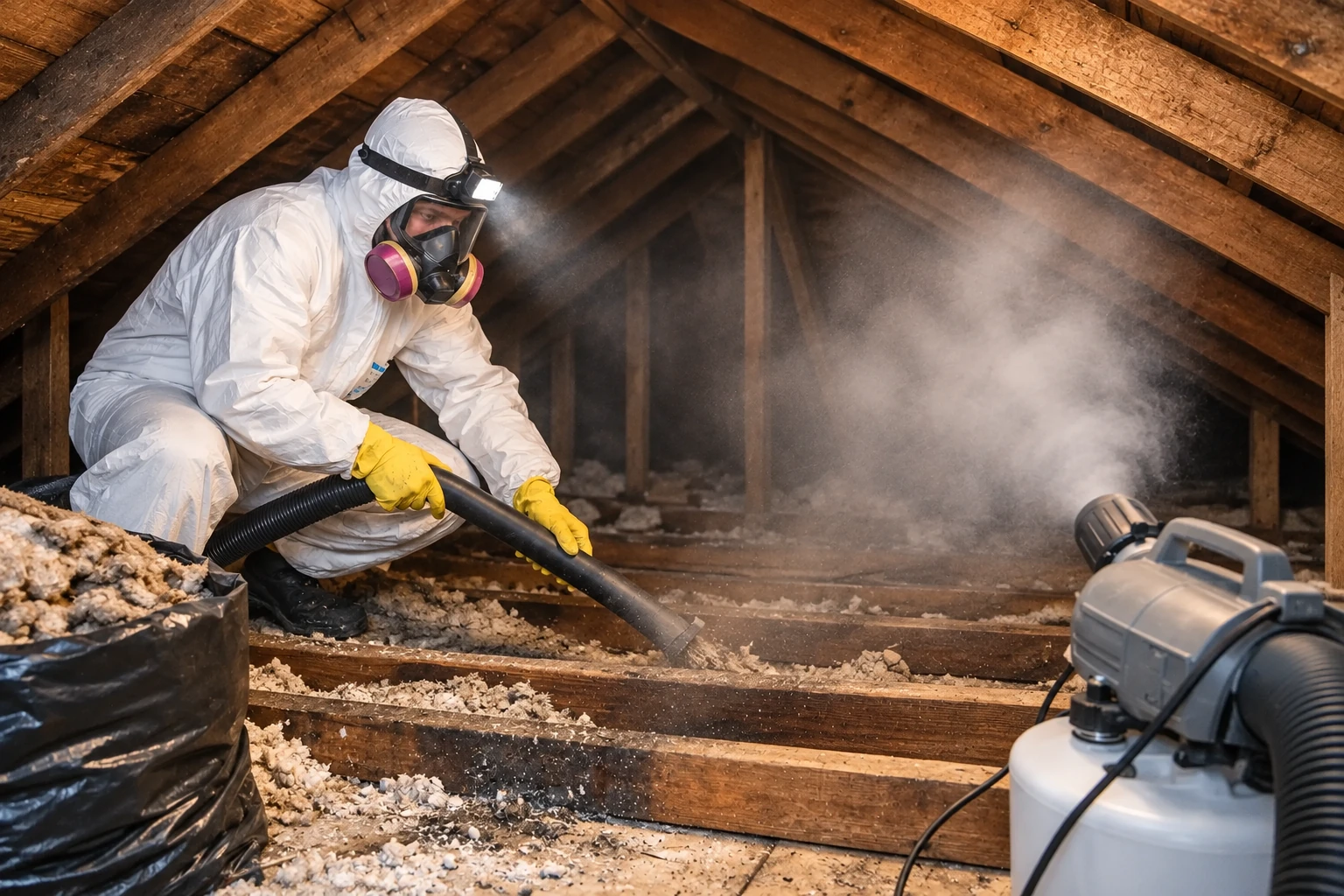
This suits an attic with stained, soaked or droppings-filled insulation, because covering it only hides the trouble. We take the old material out first, then seal and fill a clean attic floor, and the photos from the estimate show you why it has to go.

Why Redondo Beach homeowners call us for blown-in insulation

The owner walks your attic with you

I do the estimates myself, and I'd rather show you what's up there than describe it over the phone. Our crew does the install, and I check the work on site, including the depth out at the edges, before anyone calls it done.

Learned by hand, in business since 2023

I grew up on my family's farm, where you figured out how something worked before you fixed it, and I learned insulation on other crews before starting this business in 2023. If sealing a few gaps and topping up fixes your hot room, I'll tell you that.

Licensed and fully insured on your job

We're licensed and fully insured. Every job is backed by our satisfaction guarantee, and I go over the written plan with you before work starts. When you're ready to have someone look, call (424) 254-3847 or use the form on this page.

Get photos of your attic and a written plan for blown-in insulation

We reply within one business day, and the on-site estimate is free with no obligation. I'll walk the attic with you, take photos of what I find and give you a written plan that shows what comes first and why. It helps if you have a rough size of your attic handy and tell us about any roof leaks or anything that might be vermiculite.

Location
Redondo Beach, CA 90277
Hours
Mon–Fri: 6 AM–10 PM, Sat–Sun: 7 AM–11 PM

What blown-in insulation jobs look like in Redondo Beach

When a job calls for a permit here, it goes through the city's Building & Safety department, which takes permit applications through its online portal. I look up what the city asks for at your address and tell you at the estimate, and when a permit is needed, we handle the application as part of the job. California also licenses insulation work under its own classification with the state licensing board, which covers anyone who installs insulation for heat or sound control. The state's Energy Code sets efficiency requirements for changes to existing homes as well as new ones, so an attic upgrade on an older house falls under it too.

On jobs around Redondo Beach, I mostly find attics nobody has been up in for years, with a thin, packed-down layer, a few can lights from an old remodel and a hatch that was never sealed. The upstairs bedroom or the room over the garage is usually what prompted the call. We're based here and do the same work across the South Bay, in Torrance, Hermosa Beach, Manhattan Beach, Gardena and other cities nearby.

Questions homeowners ask about blown-in insulation

How much does blown-in attic insulation cost in Redondo Beach?

Attic insulation in the Los Angeles area usually costs about $1 to $4 per square foot. That's the usual range for the area, not our price. Where your attic lands depends on its size, whether the old layer stays or comes out, and how much sealing it needs first, and I can only give you a figure once I've looked at your attic.

Is blown-in insulation cheaper than batts?

Blown-in insulation usually costs less than batts in an attic and covers better, though installed prices vary. Loose fill settles around joists, wires and odd corners that batts have to be cut to fit. The quotes you get for your own attic set the real number.

What is the best way to prepare an attic for blown-in insulation?

Air seal the attic first, which means closing the openings in the attic floor, and insulate after that. Insulation slows heat, but it doesn't stop air leaking up through gaps around pipes, wires, lights and the hatch. Those gaps get closed with sealant, one-part spray foam or rigid blocking, depending on the opening. A leaking roof gets fixed before either step, so book that repair first, and when you compare quotes, ask whether each one includes the sealing.

How do I know if my attic has vermiculite, and what should I do?

Vermiculite looks like small pebbles poured between the joists, usually gray-brown or silver-gold, so you can often spot it from the hatch without touching it. The EPA recommends leaving it undisturbed, because disturbing it may release asbestos fibers that people can breathe in. If you choose to have it removed, the EPA says a trained, accredited asbestos abatement contractor should do it, and that contractor should be separate from whoever assessed it. If I see vermiculite at the estimate, I'll stop there, show you the photos and leave it alone.

How long does blown-in insulation take, and do we need to leave the house?

Most families stay home during a blown-in job. Loose fill doesn't cure the way spray foam does, so you don't have to wait before coming back inside. How long our crew is in your attic depends on its size, how much sealing it needs and whether old material comes out first, and I'll lay out the schedule at the estimate.

Call (424) 254-3847