
Under the roof, when ducts live in the attic
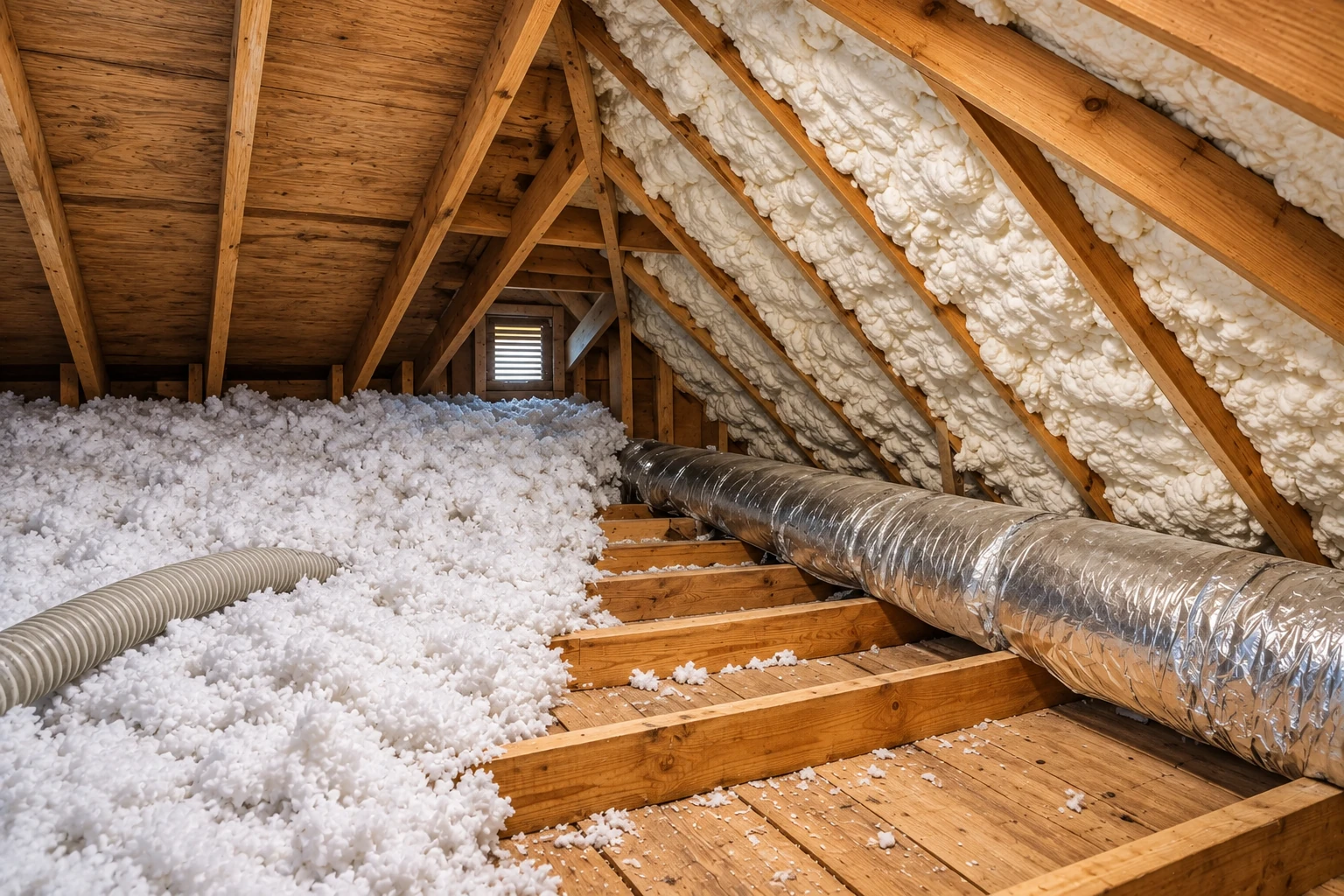
Spraying the underside of the roof pulls the attic into the comfortable side of the house, so the ductwork up there isn't sitting in a hot space. This is where closed-cell usually earns its higher price.
Hot upstairs or a room over the garage that never feels right? We seal and insulate in one layer, so the space stays steady.
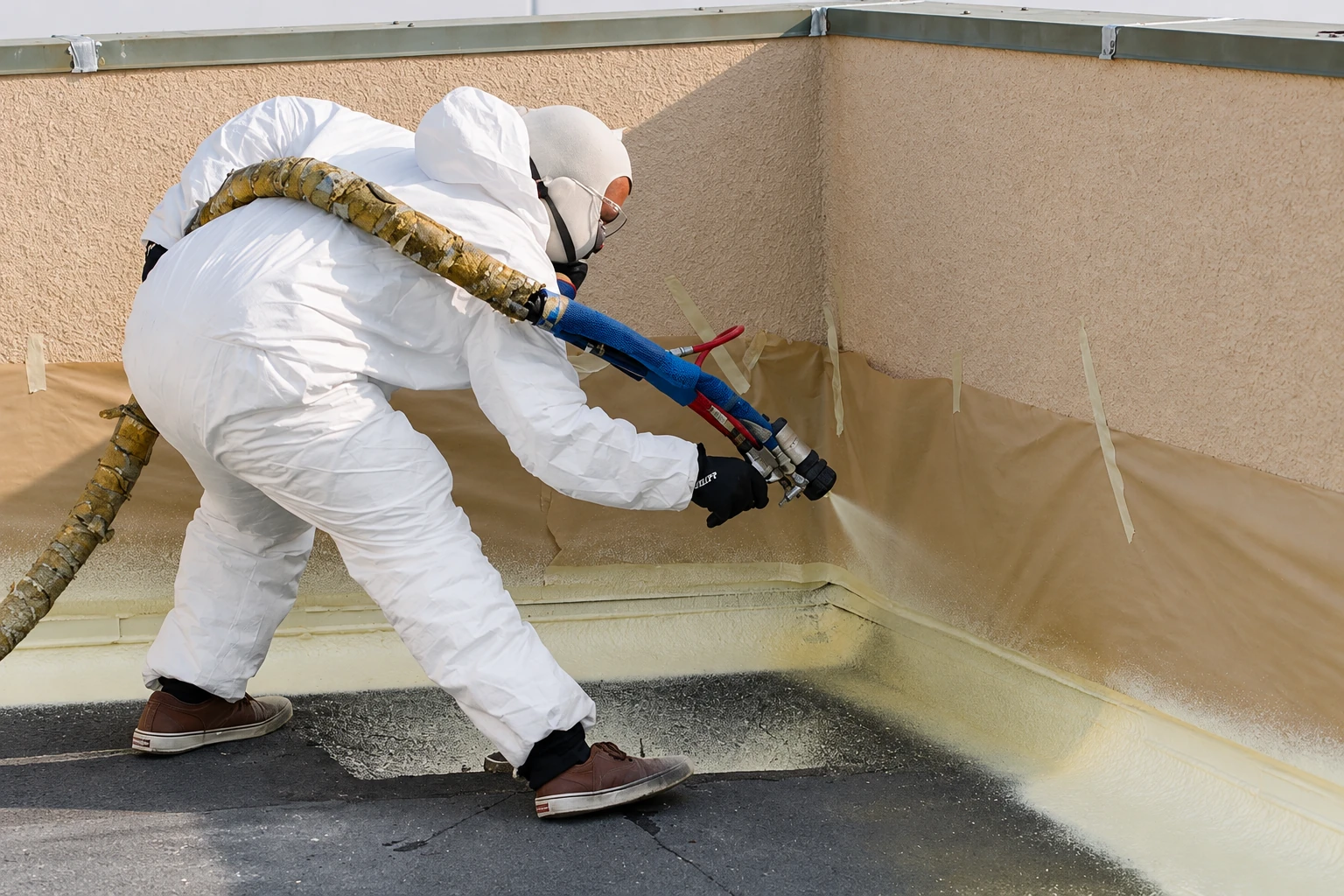
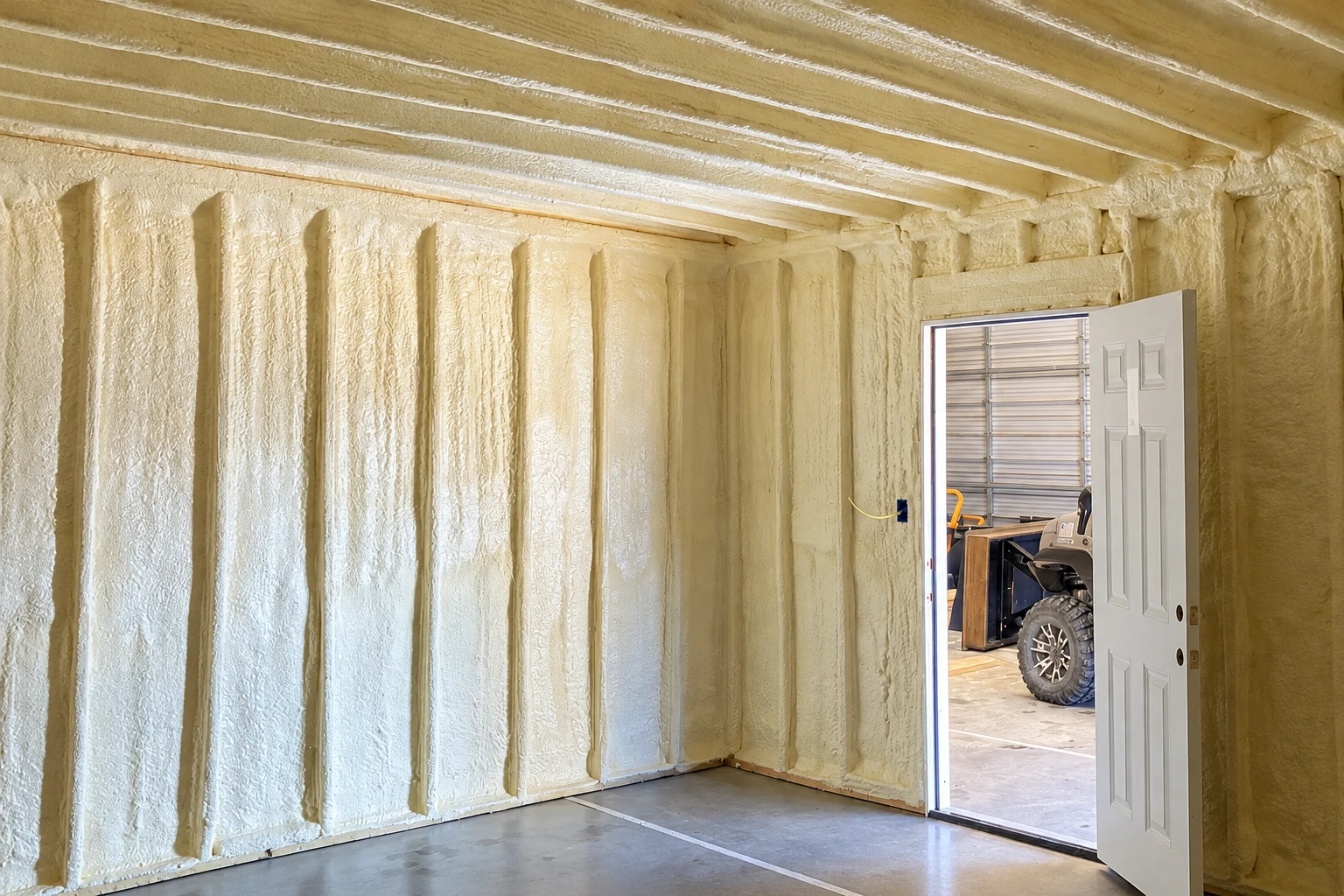
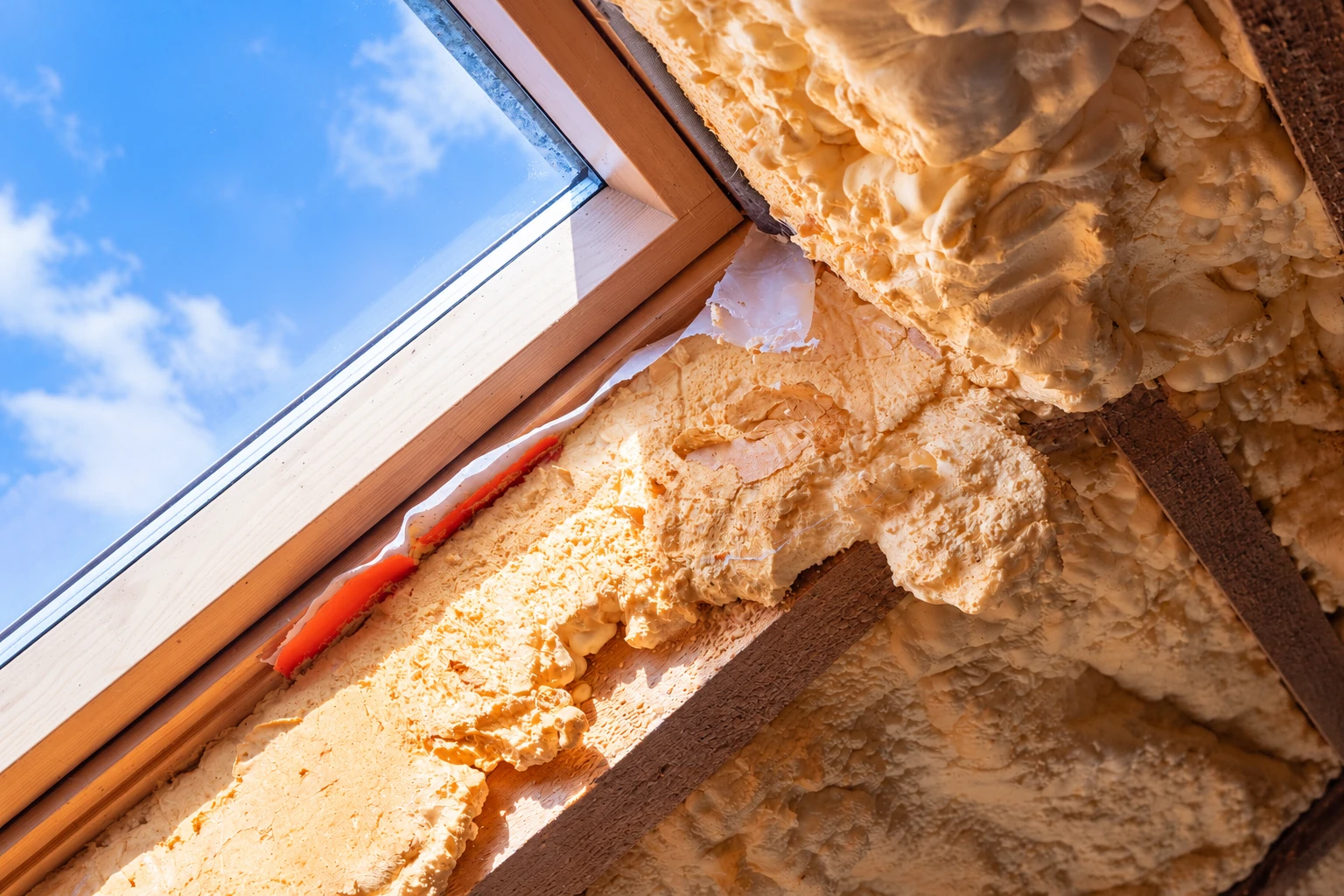
Closed-cell foam insulation is a dense spray foam we apply to attics, walls and ceilings in Redondo Beach homes. It slows heat and closes air gaps in the same layer, which matters most where there's no room for anything thicker.
Most calls I get start with a hot upstairs, a room over the garage that never feels right, or an attic nobody's looked at in years. What you'll pay moves with how much area we cover and how thick, whether old material has to come out first through insulation removal, whether the walls are already finished, and how hard the attic is to get into. The schedule turns on that same prep, on picking weather the foam can cure in, and on the time you'll spend out of the house. When I come out, I take photos of what's there and give you a written plan that shows what comes first and why, so your own number is in front of you before you decide anything.
I do every estimate myself and walk the attic, walls or crawl space with you, so you see what's up there instead of hearing about it secondhand. Our crew does the install, and I check their work on site before we call it done.
We're licensed and fully insured, which matters on a spray foam job because the crew is working in tight spaces with real equipment over your living space. Ask me about it at the estimate and I'll go over what we carry before anyone climbs into your attic.
I learned insulation working on other crews before starting this business here in 2023, and I grew up fixing things by figuring out how they worked. Every job is backed by our satisfaction guarantee. Call (424) 254-3847 or use the form to set up a walk-through.
We reply within one business day to set up a free on-site estimate, and there's no obligation to go ahead. I'll walk the space with you, take photos of what we find and leave you a written plan that shows what comes first and why. It helps if you tell us where you want foam, whether the walls are finished, if old insulation needs to come out and how you get into the attic.
Permit applications in Redondo Beach go through the city's Building & Safety division, and they're completed online. Whether your foam job needs one depends on the work, so I'll tell you at the estimate what I've found for your address. When a permit is called for, we look up what the city or the county asks for and handle the application as part of the job. The California Energy Commission says some work may also need HERS testing, the state's home energy check, and doing the job under the right permit is what brings in any testing that's required.
Around Redondo Beach we see a lot of older homes with shallow attics and ductwork running overhead, two-story houses where the upstairs runs hot, and rooms built over garages that never match the rest of the house. Those are the spots where a thin, dense layer of closed-cell usually makes the most sense. We're based here and work across the South Bay, in Torrance, Hermosa Beach, Manhattan Beach, Gardena and other cities nearby.
Closed-cell spray foam in the Los Angeles area usually costs about $1 to $1.60 per board foot, which is one square foot of foam an inch thick. That's the area's going rate per board foot, not our price, and the prep work covered above can push a job higher. Your own number comes in the written plan after I've seen the space.
Pick closed-cell if heat is your main complaint and open-cell if noise is. Closed-cell insulates about twice as well per inch and costs more, while open-cell does a much better job blocking sound. If you're not sure which problem you've got, we sort that out during the walk-through.
Plan to be out while we spray and to stay away until the foam has cured and the house has been aired out and cleaned, which is what national EPA guidance calls for. Some foam makers recommend 24 hours before anyone moves back in, though it varies by product, so line up a night somewhere else for the kids and pets. That wait is called the re-entry time, and I'll give you the one the maker lists for the foam we use.
The best day is one where the temperature and humidity fit what the foam maker calls for, because EPA guidance says both play a critical role in how spray foam cures. Ask your contractor and check the maker's instructions before you lock in a date. We set the spray day around those instructions, which is why the schedule can shift a little.
A contractor holding the state licensing board's C-2 insulation and acoustical license, which covers installing any insulating material for temperature or sound control. California only lets an unlicensed person take on minor work up to $1,000, and only when the job needs no permit and they have no employees. A foam crew has employees, so that exception doesn't fit, and it's fair to ask anyone you're weighing for their license.
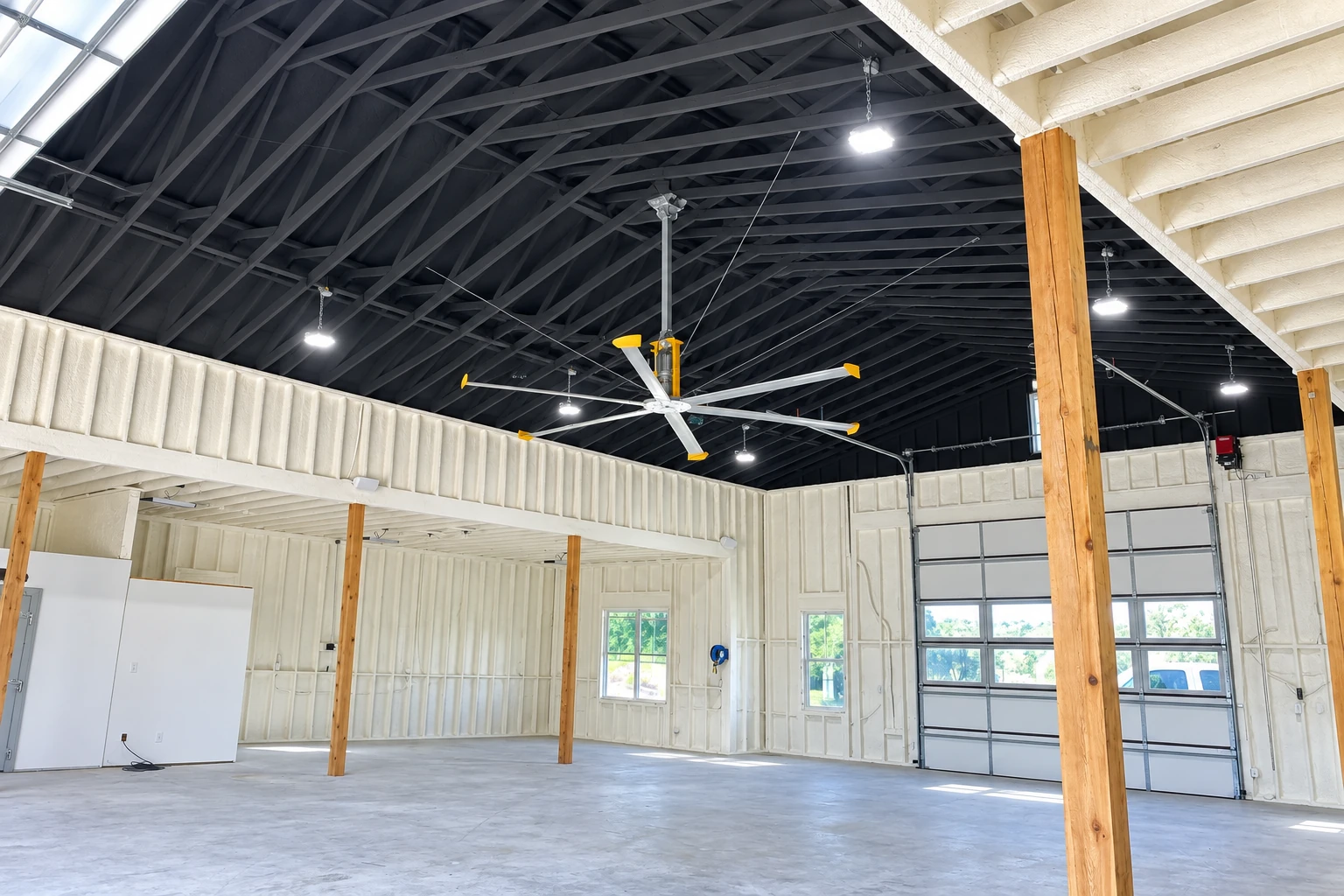
It can, because foam left bare instead of under the covering building codes call for, such as drywall, may need an added fire-protective covering or coating. If you plan to leave foam showing, like on a garage ceiling, bring it up at the estimate so it's planned in from the start.